
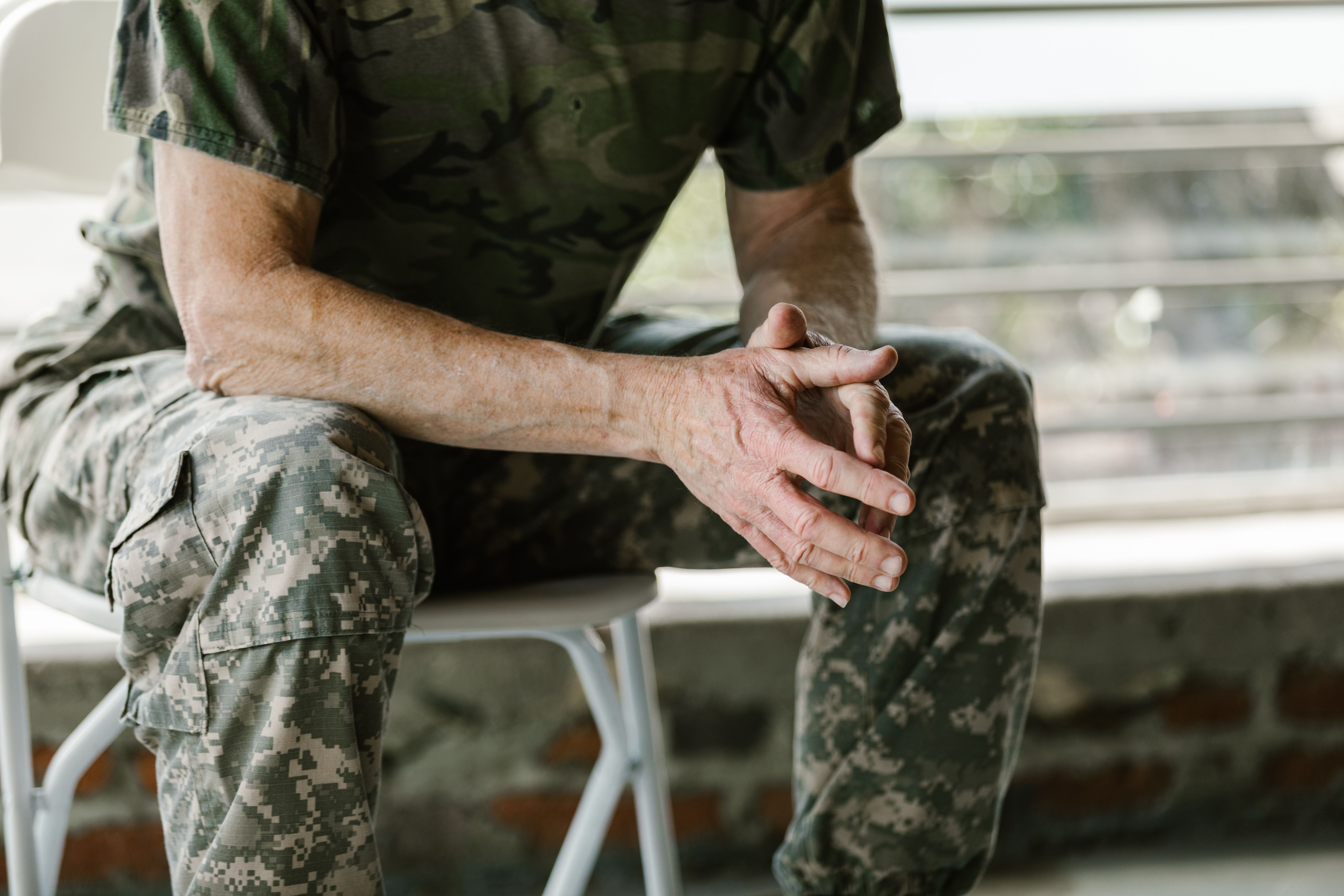
Military service demands things most civilian jobs never do. It means facing danger, following orders under pressure, and experiencing events that stay with you long after the mission ends. Service members and veterans are able to function under these extraordinary conditions, which makes them effective in uniform. However, this same ability can make it harder to adjust to civilian life or cope with the weight of past experiences without support.
Whether someone is still serving, recently left the military, or has been a civilian for years, there are clear reasons why working with a psychologist can help. There are also common reasons why many people wait too long before seeking support.
Why Military Mental Health Is Different
The fast pace of operations, repeated deployments, and exposure to combat or critical incidents create a unique psychological burden that is different from most civilian stress. Military training also values composure, mission focus, and not showing weakness in front of others. This makes many service members very good at pushing through tough times, but it can come at the cost of never fully processing what they have experienced.
For many veterans, the challenge is not just what happened during their service. Leaving the military also means losing structure, purpose, and the close bonds of a unit. Returning to civilian life can feel confusing, especially when others may not understand what military life was like. This mix of unprocessed experiences and a difficult transition is a big reason why mental health struggles are so common and often overlooked among veterans.
Signs Worth Paying Attention To
• Nightmares, intrusive memories, or flashbacks connected to specific incidents
• Hypervigilance that doesn't ease off in civilian settings
• Irritability, anger, or emotional numbness that's changed your relationships
• Difficulty finding purpose or direction since leaving service
• Avoiding people, places, or conversations tied to your service
• Guilt, shame, or a persistent sense of having done something that conflicts with your values
• Increased reliance on alcohol or substances or other coping habits
• Sleep problems that haven't resolved on their own
Having one or two of these experiences from time to time does not always mean something is wrong. But if these patterns last for weeks or months, or start to affect your relationships, work, or daily life, it is important to take them seriously and not try to handle everything on your own.
Why So Many Wait Too Long to Reach Out
Studies on Canadian veterans show a few common barriers to getting help. Many worry about confidentiality, especially if they are still serving or have ties to their old unit. There is also a culture that sees asking for help as a sign of weakness, and it can be hard to find a clinician who understands military life without needing everything explained. These barriers are common, but they are not real reasons to avoid support. Naming them openly is often the first step to moving past them.
Support Available Through Veterans Affairs Canada
Veterans Affairs Canada (VAC) provides mental health benefits and coverage for psychological services for eligible veterans, including support related to operational stress injuries such as PTSD. Programs like Operational Stress Injury Social Support (OSISS) also offer peer support specifically for those who have served. Eligibility and coverage details can be specific to individual circumstances, so it is worth confirming current details directly with VAC or a case manager.
How Therapy Helps
Trauma-focused therapy is often a key part of this process. It gives people a structured way to work through traumatic memories at a pace they can handle, without having to relive their worst moments again and again. Therapy can also help rebuild a sense of purpose and identity after service, address feelings of guilt or moral injury, improve relationships affected by irritability or numbness, and support the everyday challenges of reintegration, like sleep, relationships, and planning for the future.
Support for families and couples is also important. Reintegration affects more than just the individual; partners and children often have their own adjustments to make. Including them in therapy can help reduce stress that might otherwise be felt alone by both sides.
You Don't Have to Wait for a Crisis
Many veterans describe waiting years before reaching out, often until a relationship, job, or health crisis made it unavoidable. Support doesn't require hitting that point first. Whether you're managing something specific like nightmares or hypervigilance, or a more general sense that the weight of your service hasn't fully lifted, that's reason enough to talk to someone.
Mindframe Psychology Centre offers individual therapy, including trauma-focused approaches, for adults in Mississauga, Brampton, Oakville, Caledon, and across Ontario. If you are a veteran or currently serving, you can book a consultation to discuss what kind of support might help you.