
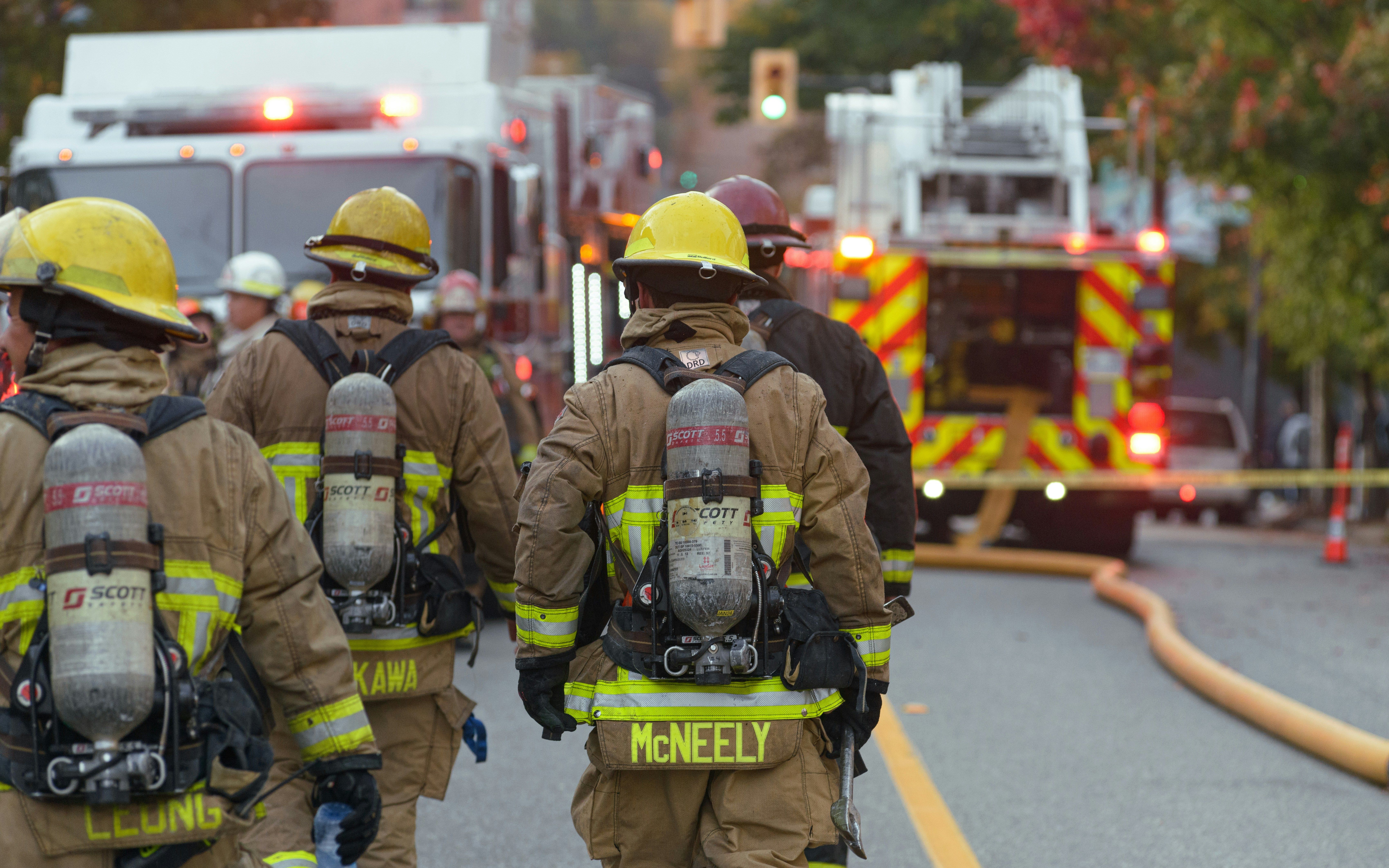
Police officers, firefighters, paramedics, and correctional officers deal with situations most people never have to face. In just one shift, they might respond to a fatal crash, a domestic violence call, an unsuccessful resuscitation, or spend hours in a tense and confined environment. Instead of moving on from a single traumatic event, most first responders experience hundreds over their careers, often while being taught to stay calm and keep going.
This mix of repeated trauma and a culture that values toughness puts first responders at a much higher risk for trauma, anxiety, depression, and burnout than most people. It also explains why many wait too long before seeking help.
Why the Risk Is Different for First Responders
Trauma exposure doesn’t stop. One traumatic call is already difficult to handle, but first responders often face these situations again and again, sometimes several times in one shift, over many years. This is known as cumulative or "compassion fatigue" trauma. Unlike a single event, it slowly wears down a person’s ability to cope over time.
The culture in these jobs can make it hard to ask for help. Many first responder workplaces still expect people to be tough, stay calm, and not show weakness. While this is starting to change, it’s still common. As a result, many officers, paramedics, and firefighters downplay their symptoms or keep going long after support would have made a difference.
Shift work and irregular schedules compound the strain. Disrupted sleep, missed family time, and the physical toll of shift work all interact with psychological stress in ways that make recovery harder and burnout more likely.
Correctional environments carry their own specific pressures. Corrections officers work in a uniquely high-tension setting, managing conflict, contending with violence risk, and operating within a system that offers little in the way of positive feedback or public recognition. This combination is linked to particularly high rates of chronic stress and burnout, often without the public attention given to police, fire, or paramedic services.
Signs Worth Paying Attention To
• Trouble sleeping, or dreams connected to specific calls or incidents
• Feeling "on guard" or hypervigilant even off duty, including at home or in public places
• Increasing irritability, a shorter fuse, or emotional numbness with family and friends
• Avoiding certain calls, locations, or conversations connected to past incidents
• Leaning more heavily on alcohol or other coping habits than in the past
• A sense of detachment from work, colleagues, or people generally
• Physical symptoms, such as tension, fatigue, stomach issues, with no clear medical cause
Any one of these can happen occasionally without being a sign of something bigger. A pattern that's persisted for weeks or months, or that's affecting your relationships, sleep, or ability to do your job, is worth taking seriously.
How Therapy Helps First Responders Specifically
Trauma-focused therapy uses methods that help people process traumatic memories safely and at a pace they can handle. This can reduce intrusive thoughts, flashbacks, and hypervigilance that often come from repeated trauma, without making someone relive their worst experiences in detail.
It helps when the therapist understands the job. Therapy is often more effective if the psychologist knows about shift work, the chain of command, critical incidents, and the unique culture of police, fire, paramedic, or correctional work, so you don’t have to explain everything from the beginning.
You don’t have to wait for a crisis to get support. Therapy isn’t just for after a major incident. Many first responders find ongoing support helpful for dealing with the daily stress of the job before it becomes overwhelming.
Confidential, outside the chain of command. Seeing a psychologist in private practice, rather than solely through internal employee resources, gives many first responders a level of privacy and distance from the workplace that makes it easier to speak openly.
You Don't Have to Wait Until It's Unmanageable
The urge to push through tough times is what helps you do this work, but it can also make it harder to notice when you need support. Asking for help doesn’t mean you can’t handle the job. It’s a way to make sure the job doesn’t take more from you than it should.
Mindframe Psychology Centre offers individual therapy, including trauma-focused care, for adults in Mississauga, Brampton, Oakville, Caledon, and throughout Ontario. If you’re a police officer, firefighter, paramedic, or correctional officer dealing with the challenges of this work, book a consultation to discuss how we can support you.